
Acne is one of the most common skin problems in the United States, affecting teenagers, adults, and especially women well into their 30s and 40s. Many people try harsh products hoping for fast results, but end up with irritated skin, redness, or even scars. Dermatologists now agree that learning how to get rid of acne naturally can be safer, more effective, and better for long-term skin health.
Natural acne treatment is not about using random home remedies. It is about understanding your skin, supporting its barrier, and using gentle methods that allow healing instead of forcing results. When done correctly, natural care can help clear acne naturally and reduce future breakouts.
What Acne Really Means for Your Skin
Acne is not just about dirty skin or bad hygiene. Dermatologists explain that acne forms when pores become clogged with oil, dead skin cells, and bacteria. Hormones, stress, diet, and even sleep patterns play a major role.
Many adults are surprised when acne continues after their teenage years. Causes of acne in adults often include hormonal acne in women, chronic stress, overuse of skincare products, or damage to the skin barrier. Treating acne without understanding these factors often leads to temporary results.
Natural acne treatment works best when you focus on calming the skin and correcting habits that trigger breakouts.
Why Natural Acne Treatment Is Popular in the USA
More Americans are now searching for acne treatment at home because prescription products and strong acids often cause dryness and sensitivity. While those treatments may work for some, many people want a gentler approach.
Dermatologist approved acne tips now emphasize skin balance over aggression. The goal is to reduce inflammation, control oil gently, and allow the skin to repair itself. This is why natural remedies for acne have gained trust, especially among people with sensitive or acne prone skin. Clear acne naturally does not mean overnight results, but it often leads to healthier and stronger skin in the long run.
Gentle Cleansing Makes a Big Difference
Cleansing is the foundation of any acne prone skin care routine. Many people think washing the face multiple times a day will remove acne faster. In reality, over-cleansing strips natural oils and damages the skin barrier.
Dermatologists recommend washing your face twice a day using a gentle cleanser. This removes dirt and excess oil without irritating the skin. Clean but calm skin responds better to natural acne remedies and heals more efficiently. If your face feels tight or dry after cleansing, the product may be too harsh and could make acne worse.
Following a gentle morning skincare routine helps remove overnight oil buildup without irritating acne-prone skin, which is an important step in natural acne treatment.
Aloe Vera and Its Role in Natural Acne Healing
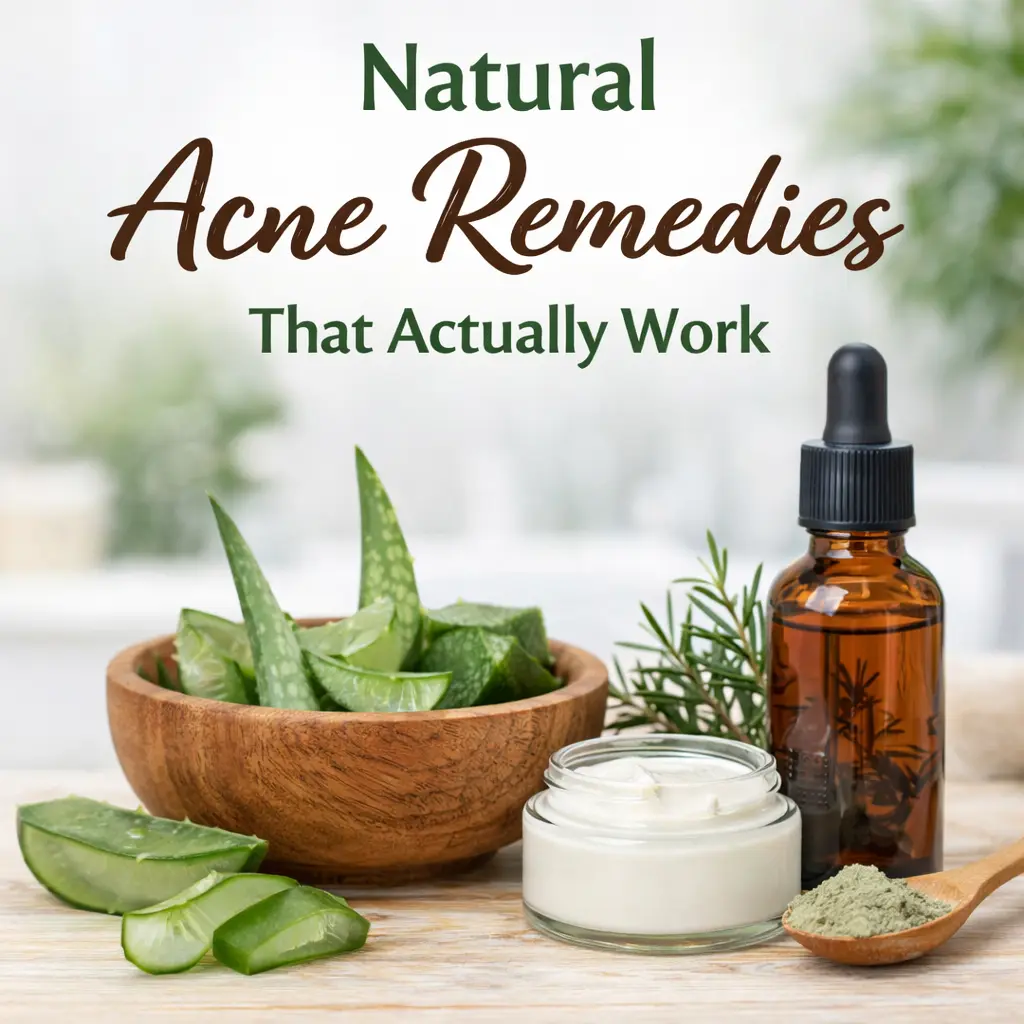
Aloe vera is one of the most trusted ingredients in natural acne treatment. Dermatologists often recommend it because it soothes redness, reduces inflammation, and supports skin repair.
Using aloe regularly can help calm active breakouts and reduce the risk of marks forming later. It is especially helpful for people looking for the best natural acne treatment for sensitive skin, as it is gentle and well tolerated. Aloe does not dry out pimples aggressively. Instead, it helps the skin heal at its own pace.
Tea Tree Oil When Used Correctly
Tea tree oil is known for its antibacterial properties, but it should never be applied directly to the skin. Dermatologists warn that undiluted tea tree oil can cause burns and irritation. When diluted properly, it can be effective as a spot treatment. It helps control acne-causing bacteria without harming healthy skin. This makes it one of the natural acne remedies that actually work when used carefully.
Used in moderation, tea tree oil can support how to clear acne naturally at home without harsh chemicals.
The Strong Link Between Diet and Acne
Many people underestimate how much food affects the skin. Dermatologists now agree that diet for clear skin is an important part of acne control. High sugar foods, processed snacks, and excess dairy may increase inflammation and oil production. Over time, this can trigger more frequent breakouts. On the other hand, diets rich in fruits, vegetables, whole grains, and healthy fats support skin healing.
Drinking enough water also helps flush toxins and maintain proper skin hydration. While diet alone will not cure acne, it strongly supports natural acne treatment efforts.
Stress and Acne Connection You Should Not Ignore
Stress is a major trigger for acne, especially in adults. Stress hormones increase oil production and slow down the skin’s ability to heal. This explains why many people notice breakouts during busy work periods or emotional stress.
Managing stress through better sleep, light exercise, or relaxation techniques can significantly improve acne over time. Dermatologists often emphasize that stress and acne connection is real and should not be ignored. When the body is calm, the skin responds better to treatment and repairs itself faster.
Pairing stress control with a night skincare routine for acne allows the skin to repair itself while you sleep and reduces frequent breakouts over time.
Why Moisturizing Is Essential for Acne-Prone Skin
Skipping moisturizer is a common mistake. Many people believe moisturizing will clog pores, but the opposite is often true. When skin becomes dry, it produces more oil to protect itself, leading to clogged pores and more acne.
Using a lightweight, non-comedogenic moisturizer helps balance oil production and supports skin barrier repair for acne. Healthy skin barriers are less inflamed and less prone to breakouts. Moisturizing allows natural acne treatment to work more effectively by keeping the skin stable and protected.
Natural Face Masks That Support Clear Skin
Clay-based masks are often recommended by dermatologists for acne prone skin. They help absorb excess oil and clean pores without damaging the skin barrier. These masks should only be used once a week. Overuse can dry out the skin and worsen acne. When used correctly, gentle masks support acne control and improve skin texture over time.
Natural remedies work best when used with patience and moderation.
Sun Protection Helps Prevent Acne Marks
Sun exposure can make acne marks darker and harder to fade. Many people in the USA skip sunscreen because they fear it will clog pores, but dermatologists strongly recommend daily sun protection.
Mineral sunscreens are often preferred for acne prone skin. They protect the skin without irritating it and reduce the risk of long-lasting marks and uneven tone. Sun protection is an important but often ignored part of clearing acne naturally.
Using sunscreen daily and understanding what vitamin C serum does for your face can help protect the skin from sun damage and reduce the appearance of acne marks over time.
Natural Acne Remedies You Should Avoid
Not all home remedies are safe. Lemon juice, toothpaste, and baking soda are often shared online, but dermatologists warn against using them. These ingredients can damage the skin barrier, cause burns, and lead to scars.
Natural acne treatment should never feel painful or harsh. If something stings or burns, it is harming your skin rather than helping it heal. Choosing gentle methods protects your skin and supports long-term improvement.
How Long Does Natural Acne Treatment Take?
One of the most common questions is how long it takes to see results. Natural acne treatment requires patience. Dermatologists explain that visible improvement usually appears within four to eight weeks.
Consistency matters more than using many products. Sticking to a gentle skincare routine for acne prone skin allows the skin to heal steadily and safely. Quick fixes often cause setbacks, while steady care builds lasting results.
When Natural Care Is Not Enough
Natural methods work well for mild to moderate acne. However, deep or painful cystic acne may require professional help. In such cases, dermatologists recommend combining medical treatment with gentle habits.
Using harsh products on severe acne without guidance can worsen scarring. Professional care ensures your skin is treated safely while maintaining its health.
FAQs – How to Get Rid of Acne Naturally
Can changing pillowcases and towels help reduce acne?
Yes, it can make a real difference. Pillowcases and face towels collect oil, sweat, and bacteria over time. When your skin touches dirty fabric daily, pores can clog more easily. Washing pillowcases two to three times a week and using a clean towel for your face helps reduce unnecessary breakouts and supports clearer skin.
Does touching your face too often cause acne?
Touching your face many times a day can transfer bacteria and oil from your hands to your skin. This can irritate pores and lead to more pimples, especially around the chin and cheeks. Being mindful about face touching and keeping hands clean helps natural acne treatment work better.
Can weather and climate affect acne breakouts?
Yes, climate plays a role in how your skin behaves. Hot and humid weather can increase oil production, while cold weather can dry out the skin and damage the skin barrier. Adjusting your skincare routine based on seasonal changes helps keep acne under control year-round.
Final Thoughts on Clearing Acne Naturally
Learning how to get rid of acne naturally is about balance, not perfection. Dermatologist approved acne tips focus on gentle cleansing, calming ingredients, stress control, proper moisturizing, and sun protection. Clear acne naturally comes from consistency and understanding your skin, not from forcing results. When you support your skin instead of fighting it, long-term improvement becomes possible. Healthy skin is built through patience, care, and smart daily habits.