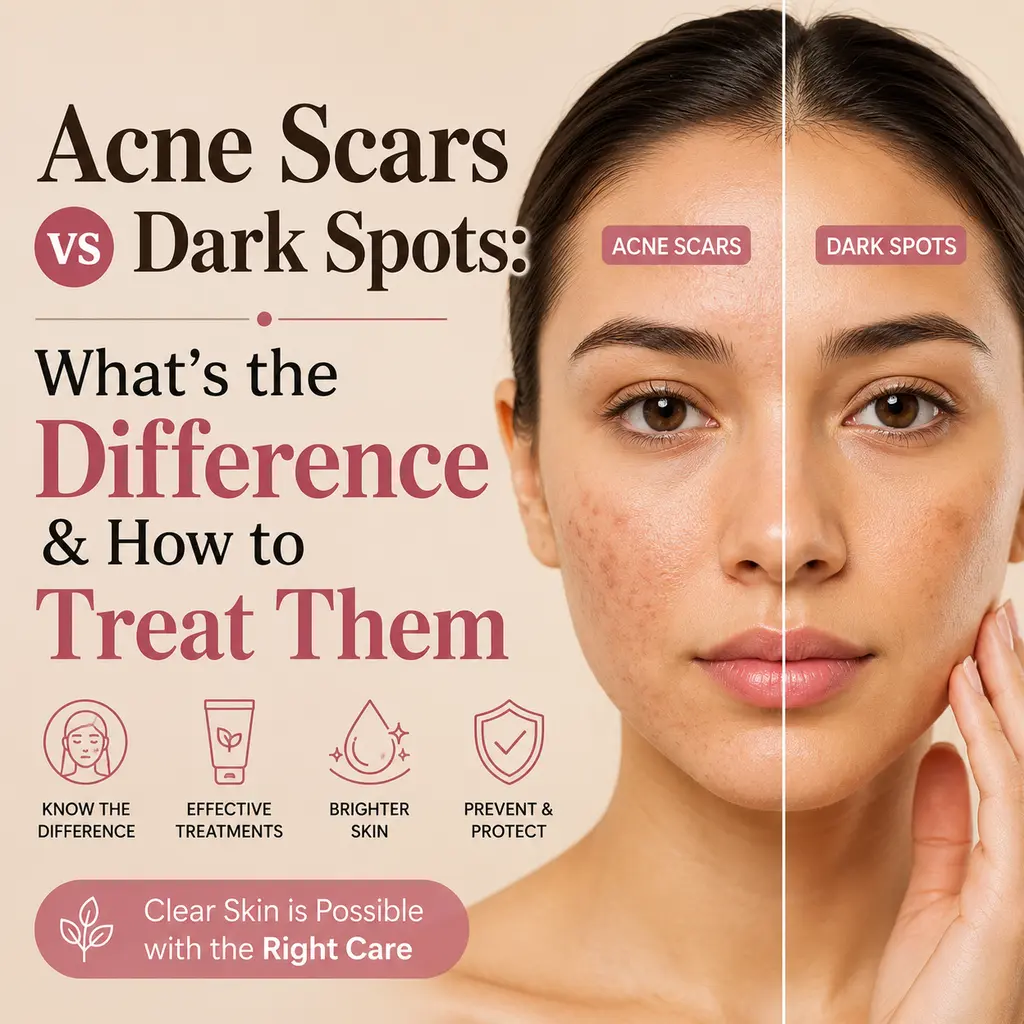

Many people think acne scars and dark spots are the same thing, but they are actually very different skin concerns. This confusion is extremely common, especially among people dealing with acne for the first time. Some try treatments meant for scars when they only have post-acne dark spots, while others spend months trying brightening products on deeper scars that need a completely different approach.
Understanding the difference between acne scars vs dark spots can save both time and frustration. It also helps you choose skincare products more carefully and avoid treatments that may irritate your skin unnecessarily.
The good news is that both acne scars and dark spots can improve with the right skincare habits, patience, and gentle treatment methods. The first step is learning how to identify what your skin is actually dealing with.
I also want to share a personal experience related to this topic. After the birth of my second baby last year, I struggled with acne marks and uneven skin for quite some time. With patience, gentle skincare habits, and consistent care, my skin gradually improved, and the marks eventually faded completely. Let’s go through the complete guide.
Why People Confuse Acne Scars and Dark Spots
After acne heals, the skin often does not return to normal immediately. Some people notice red, brown, or purple marks left behind, while others develop uneven texture or tiny dents in the skin. Since both problems appear after breakouts, they are often grouped together.
Dark spots usually affect skin color, while acne scars affect skin texture. However, because they can appear at the same time, many people struggle to tell the difference. I’ve also noticed that people often panic after seeing marks remain for weeks and assume permanent scarring has already happened. In reality, many of these marks are simply post-acne discoloration that fades slowly over time.
Knowing the difference between acne scars vs dark spots helps you avoid unnecessary stress and unrealistic expectations.
What Are Dark Spots After Acne?
Dark spots are usually flat marks left behind after pimples heal. Dermatologists often call this post-inflammatory hyperpigmentation. These marks appear because inflammation from acne triggers extra pigment production inside the skin. Dark spots may look red, pink, brown, or slightly purple depending on skin tone and the severity of inflammation. Unlike scars, the skin surface usually feels smooth when you touch it.
Many people notice dark spots becoming darker after sun exposure. This happens because sunlight increases pigment production and slows the fading process. The important thing to remember is that dark spots are not permanent damage in most cases. They usually fade gradually when the skin heals properly.
What Acne Scars Actually Look Like
Acne scars are different because they change the texture of the skin instead of just the color. Some scars look like small dents or holes, while others may appear raised or uneven. Scarring usually happens when inflammation damages deeper layers of the skin. Picking pimples, squeezing cystic acne, or severe breakouts can increase the risk of long-term scars.
Unlike dark spots, scars do not disappear easily on their own because the skin structure itself has changed. This is why acne scars often require more targeted treatments and patience. Many people dealing with acne scars also experience dark spots at the same time, which can make the skin appear even more uneven.
Why Adult Acne Often Leaves More Visible Marks
Adult skin heals differently compared to teenage skin. Many women notice that breakouts after 30 leave marks that stay visible much longer than expected. Inflammation tends to heal more slowly as the skin matures. This is one reason why post-acne marks can feel especially frustrating during adulthood.
Hormonal acne around the jawline and chin also tends to be deeper under the skin. These painful breakouts may create more inflammation, increasing the chance of both scars and dark spots. I’ve personally noticed that some women become very aggressive with skincare once marks appear. Unfortunately, using harsh products too quickly often irritates the skin even more and delays healing.
Hormonal breakouts and recurring inflammation are especially common in women dealing with adult acne after 30, which may increase the chances of long-lasting marks and uneven skin texture.
How Sun Exposure Makes Dark Spots Worse
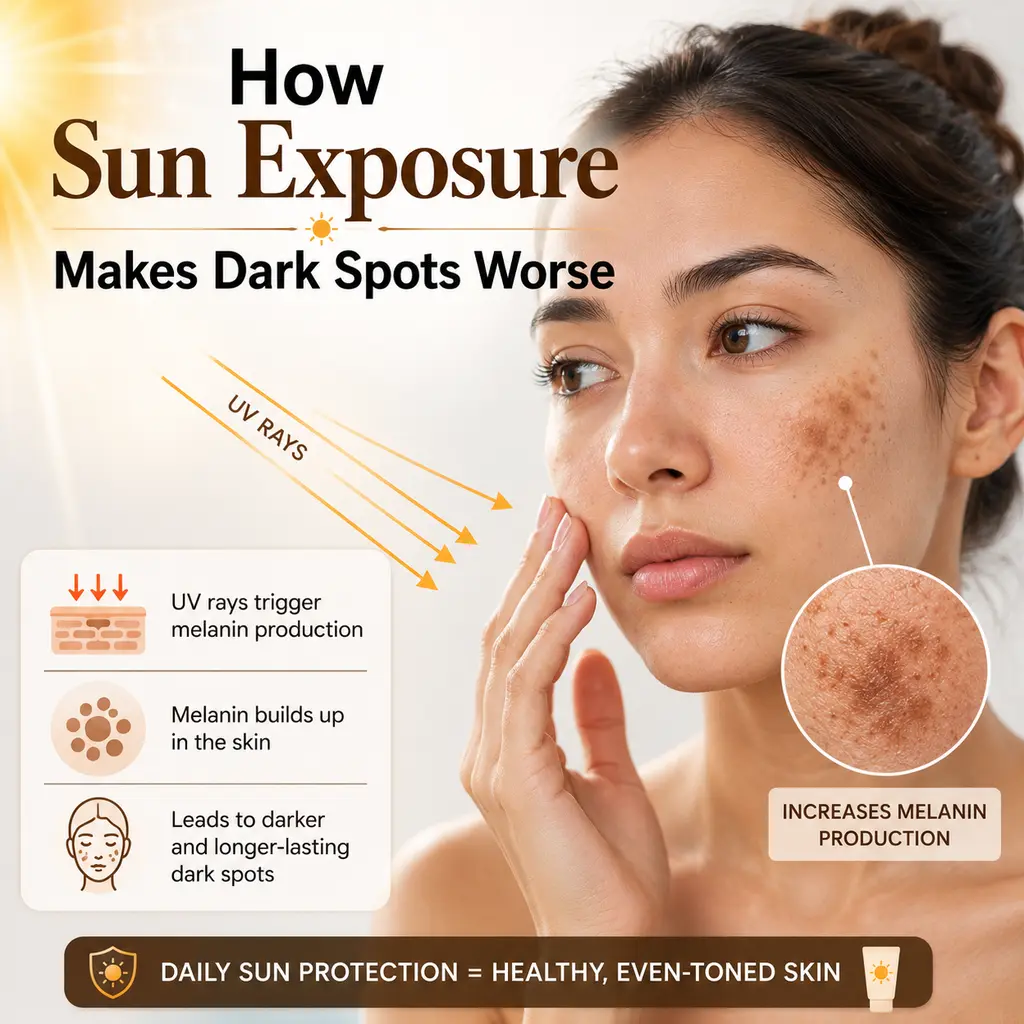
One of the biggest mistakes people make is ignoring sunscreen while trying to fade acne marks. Even a few minutes of repeated sun exposure can make dark spots darker and more difficult to treat. Sun damage increases pigment activity inside the skin. This causes post-acne marks to remain visible longer than necessary.
Daily sunscreen is important even when staying indoors most of the day because sunlight still reaches the skin through windows and outdoor exposure during normal routines. Mineral sunscreens are often preferred by people with acne-prone skin because they usually feel gentler and less irritating.
Why Picking Pimples Increases Scarring
Picking acne is one of the fastest ways to increase the risk of scars and long-lasting marks. Squeezing pimples pushes inflammation deeper into the skin and damages surrounding tissue. I made this mistake myself years ago because I thought popping pimples would make them heal faster. Instead, some of those marks stayed visible for many months afterward.
When the skin becomes injured repeatedly, healing becomes uneven. This can lead to texture changes that are much harder to improve later. Allowing breakouts to heal naturally usually supports healthier skin recovery over time.
Following gentle habits used in natural acne treatment may help reduce inflammation and lower the risk of long-term acne marks.
Dark Spots Usually Fade Faster Than Scars
Many people feel discouraged when dark spots remain visible for several weeks. However, dark spots usually improve more easily than true acne scars. The skin naturally renews itself over time. As new skin cells replace older ones, discoloration gradually fades. Some marks disappear within a few months, while deeper discoloration may take longer depending on skin tone and inflammation levels.
Patience is extremely important because people often damage their skin by overusing strong exfoliants too quickly. Gentle consistency usually works better than aggressive treatment methods.
Why Acne Scars Are Harder to Treat
Because scars involve texture changes, they usually need more targeted care. Surface brightening products alone may not improve deeper scars significantly.
Some people explore treatments like chemical peels, microneedling, laser procedures, or professional dermatology treatments for scar improvement. The right option depends on scar type, skin sensitivity, and overall skin health.
At the same time, keeping the skin barrier healthy remains extremely important. Damaged or irritated skin often reacts poorly to stronger treatments. Supporting skin healing gently before trying advanced treatments usually produces better long-term results.
The Skin Barrier Plays a Huge Role in Healing
Healthy skin barriers help both scars and dark spots heal more effectively. When the barrier becomes weak, the skin becomes irritated, inflamed, and slower to recover. Over-cleansing, harsh scrubs, and strong active ingredients used too frequently can damage the skin barrier. Many people unknowingly worsen their acne marks by trying too many treatments together.
Signs of a damaged barrier often include redness, dryness, stinging, burning, and increased sensitivity. A calm skin barrier creates a healthier environment for gradual fading and repair.
Ingredients That May Help Improve Dark Spots
Certain skincare ingredients are commonly used to support brighter and more even-looking skin. Vitamin C is popular because it helps support skin brightness and protects against environmental stress. Niacinamide is another gentle ingredient that many people use for post-acne marks and uneven tone. It also supports the skin barrier and helps calm redness.
Some people also use mild exfoliating acids to encourage skin renewal. However, stronger products should always be introduced slowly, especially on sensitive skin. Using too many active ingredients at once usually creates irritation instead of faster improvement.
Many people also explore what vitamin C serum does for your face because it is commonly used to support brighter and more even-looking skin over time.
How to Treat Dark Spots After Acne
Dark spots usually improve gradually when the skin is protected and supported properly. Consistent sunscreen use is one of the most important steps because sun exposure can make discoloration darker and slower to fade.
Ingredients like vitamin C, niacinamide, and gentle exfoliating acids are commonly used to improve uneven skin tone over time. However, using too many active products together may irritate the skin and worsen inflammation.
As per my experience, people often become impatient and switch products too quickly. In reality, dark spots usually need several weeks or even months to fade gradually. Gentle and consistent skincare usually works much better than harsh treatment methods.
How to Treat Acne Scars Safely
Acne scars usually need a different approach because they affect the skin’s texture instead of only its color. Deep scars often improve more slowly and may require professional support depending on their severity.
Some people explore treatments like microneedling, chemical peels, or laser procedures after consulting a dermatologist. These treatments support skin renewal and collagen production, which may help improve uneven texture gradually over time.
At the same time, maintaining a healthy skin barrier is extremely important before trying stronger treatments. Irritated or damaged skin often reacts poorly and heals more slowly. Gentle cleansing, moisturizing, and daily sunscreen remain essential even during scar treatment.
Can Acne Scars and Dark Spots Be Prevented?
Preventing acne marks often starts with controlling inflammation early. Picking pimples, over-scrubbing the skin, and using harsh products can increase the risk of both scars and dark spots.
Treating active acne gently and protecting the skin barrier may reduce long-term damage significantly. Daily sunscreen also plays a major role because UV exposure can worsen post-acne discoloration. In many cases, patience and gentle skincare habits prevent more damage than aggressive treatments ever could.
Why Consistency Matters More Than Quick Results
Many people expect dark spots to disappear within days, but skin healing rarely works that quickly. Healthy improvement usually happens slowly and steadily. One mistake I often see is changing products every week because results do not appear immediately. Constant switching confuses the skin and increases irritation.
Consistent routines allow the skin to adjust gradually and heal more comfortably over time. Small improvements matter. Slightly lighter marks, smoother texture, and calmer skin are all positive signs that healing is happening.
Emotional Frustration Around Acne Marks Is Very Real
Acne marks can affect confidence deeply, especially when they remain visible long after breakouts disappear. Many people feel frustrated because they believe others only notice their skin imperfections. Some avoid bright lighting, social events, or makeup-free days because of lingering marks. This emotional side of acne recovery is often overlooked.
It is important to remember that healing takes time and that skin texture and tone naturally improve gradually with proper care. Trying to force overnight results often creates more irritation and emotional stress.
Why Gentle Skincare Usually Works Better
People dealing with acne scars vs dark spots often assume stronger products will work faster. In reality, gentle routines usually create healthier long-term improvement. Adult skin especially tends to react poorly to harsh treatment methods. Calm, balanced skin heals more effectively than constantly irritated skin.
Gentle cleansing, proper moisturizing, sun protection, and carefully chosen treatments usually produce better results than aggressive scrubbing or over-exfoliation. Supporting your skin instead of fighting it makes a surprisingly big difference over time.
Sleep, Stress, and Lifestyle Also Affect Skin Healing
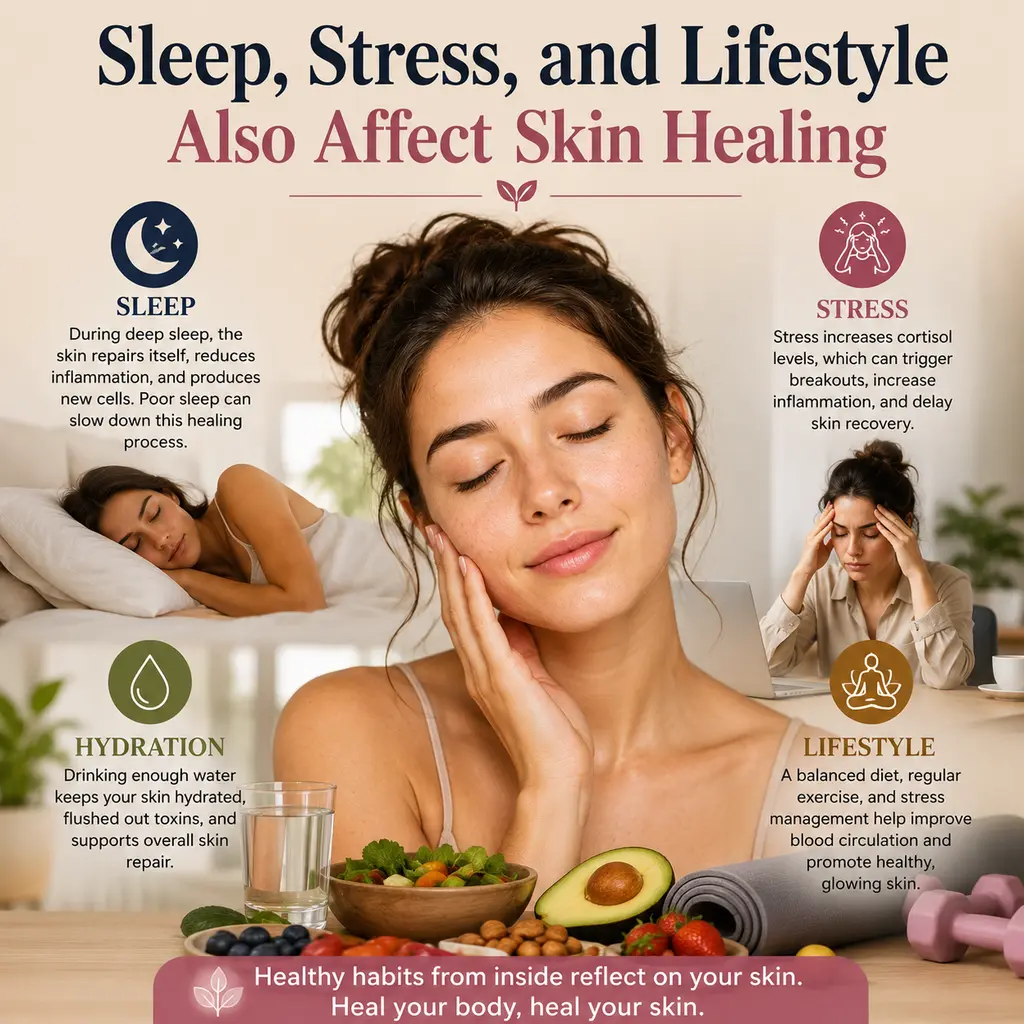
Healing is not only about skincare products. Stress, poor sleep, dehydration, and unhealthy habits also affect inflammation levels inside the body. Stress hormones can slow skin repair and increase irritation. Poor sleep also reduces the skin’s ability to recover from daily damage.
Even simple changes like drinking enough water, sleeping consistently, and reducing stress levels may support healthier-looking skin over time. Skincare works best when combined with healthy lifestyle habits.
When Professional Help May Be Necessary
Some dark spots fade naturally with time and gentle care, but deeper acne scars may require professional guidance. Dermatologists can help identify the difference between pigmentation and true scarring more accurately. They can also recommend treatment options based on skin type and scar severity.
Seeking professional help early may prevent unnecessary frustration and help you avoid wasting money on products that are not suitable for your skin concern.
Healing Skin Takes Patience
One of the hardest parts of dealing with acne marks is staying patient. Many people become discouraged when progress feels slow. I’ve also noticed that social media creates unrealistic expectations because heavily edited before-and-after photos make healing look instant. Real skin recovery takes time.
Some improvements happen gradually over several months rather than days or weeks. This is completely normal. Protecting the skin barrier, avoiding unnecessary irritation, and staying consistent usually leads to healthier long-term results.
Final Thoughts on Acne Scars vs Dark Spots
Understanding the difference between acne scars vs dark spots is important because both concerns require different approaches. Dark spots mainly affect skin color and usually fade gradually with proper care, while acne scars involve deeper texture changes that may need more targeted treatment.
The key to healthier-looking skin is patience, consistency, and gentle support. Harsh products, over-exfoliation, and panic-driven skincare routines often slow healing instead of improving it.
Healthy skin recovery happens gradually. With balanced skincare habits, proper sun protection, and realistic expectations, both dark spots and acne scars can become much more manageable over time.